Mayday: The Survival Island — castaway field guide
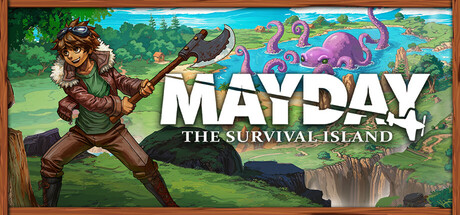
Mayday: The Survival Island is a single-player survival crafting adventure developed by Pequi studios and published by indie.io. It released on Steam on November 2, 2026. A mysterious crash leaves your character stranded; gathering resources, making tools and developing a homestead support exploration across a hand-crafted archipelago of 24 islands. Ruins, magical totems and traces of a lost civilization connect survival to a larger mystery.
| Field notes | Official Steam listing |
|---|---|
| Developer / publisher | Pequi studios / indie.io |
| Steam release | November 2, 2026; released, not coming soon |
| Genres | Adventure, Indie |
| Play format | Single-player |
| Native PC platform listed | Windows |
| World | 24 hand-crafted islands |
| Core activities | Hunting, fishing, farming, crafting and base building |
From making a living to exploring the unknown
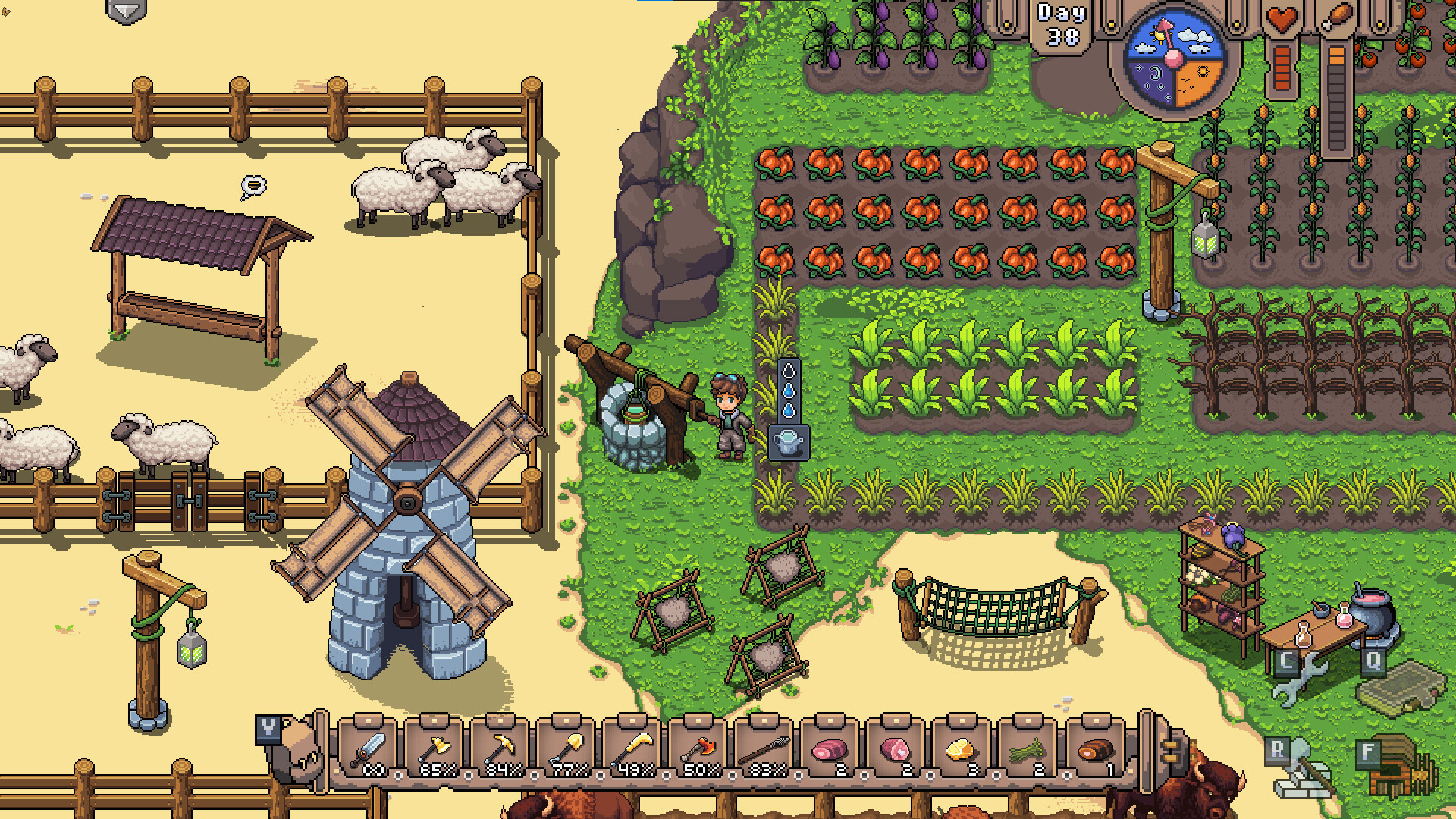
The official description links food production, tool crafting and a stronger base with travel into the wider island chain. You can hunt wildlife, fish from the coast, tend crops and raise animals. Beyond the homestead, the listing describes different environments, treasures and threats. It presents a player-directed adventure rather than a fixed sequence of compulsory objectives.
The premise includes an escape mystery, but the store does not publish a complete escape route or the solutions to its ruins. This guide organizes the systems that are actually described. It does not turn promotional artwork into guessed crafting recipes, map coordinates or a supposed optimal first day.
Open the notebook
- Mayday release date, Steam price and demo
- Mayday survival guide: hunting, fishing, farming and crafting
- Mayday islands and exploration: the 24-island archipelago
- Mayday base building, moving objects and crafting stations
- Mayday ruins, magical totems and story premise
- Mayday PC system requirements, languages and controller support
- Mayday launch updates: performance, building and bug fixes
Sources, not an invented play diary
Pages are compiled from the official Steam store, its public product data and Pequi studios’ Steam announcements. The source register identifies these materials. Patch changes are attributed to the developer, not presented as independently reproduced results. Prices and advertised features are dated snapshots, and planned improvements are not silently treated as shipped features.